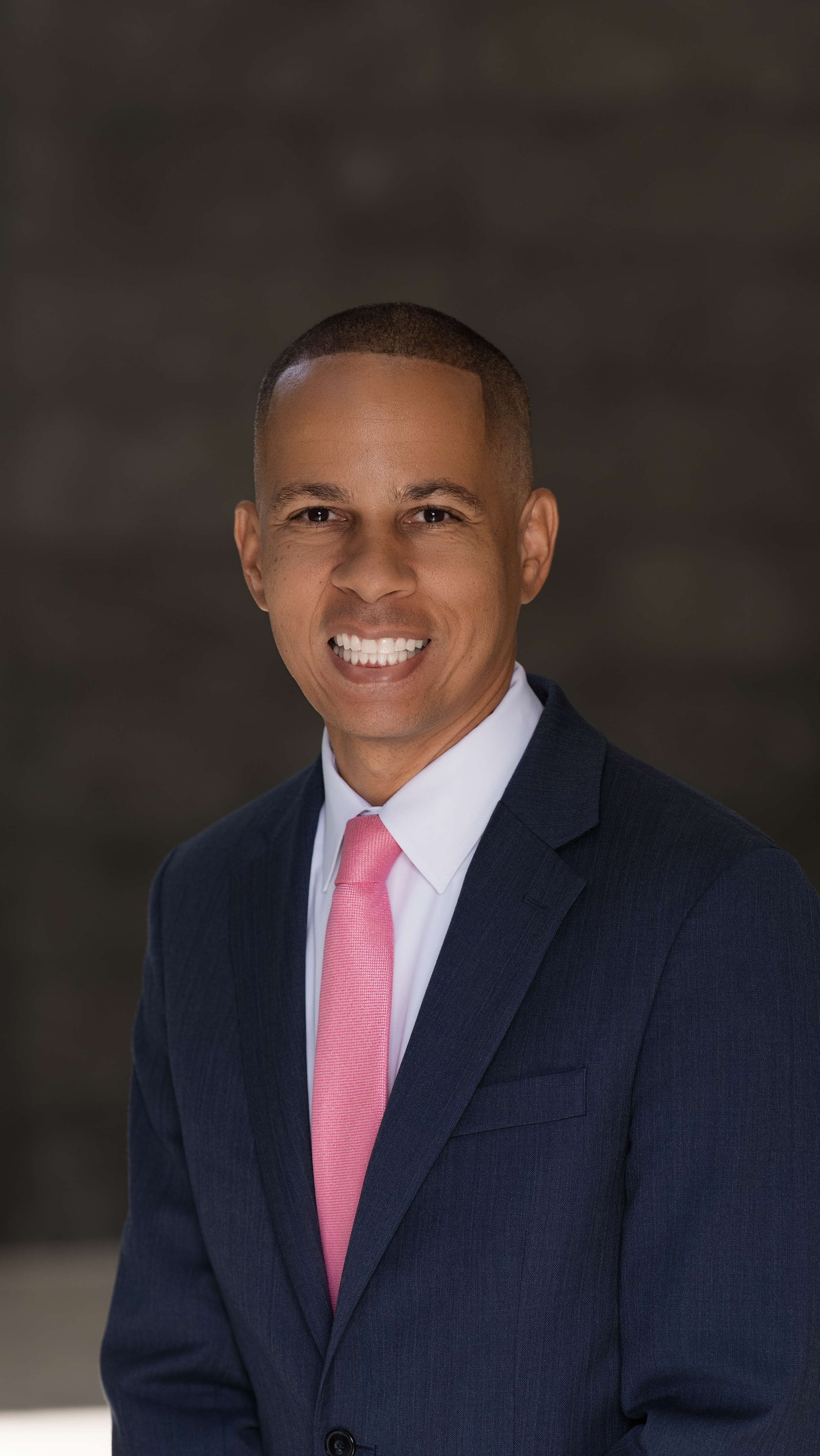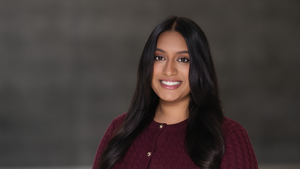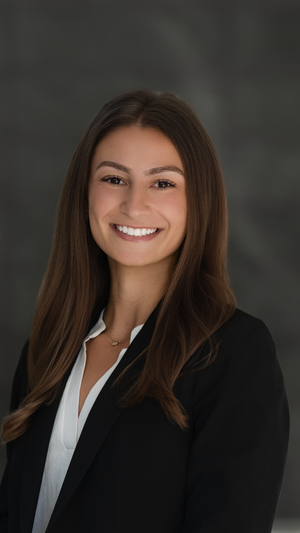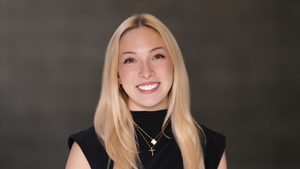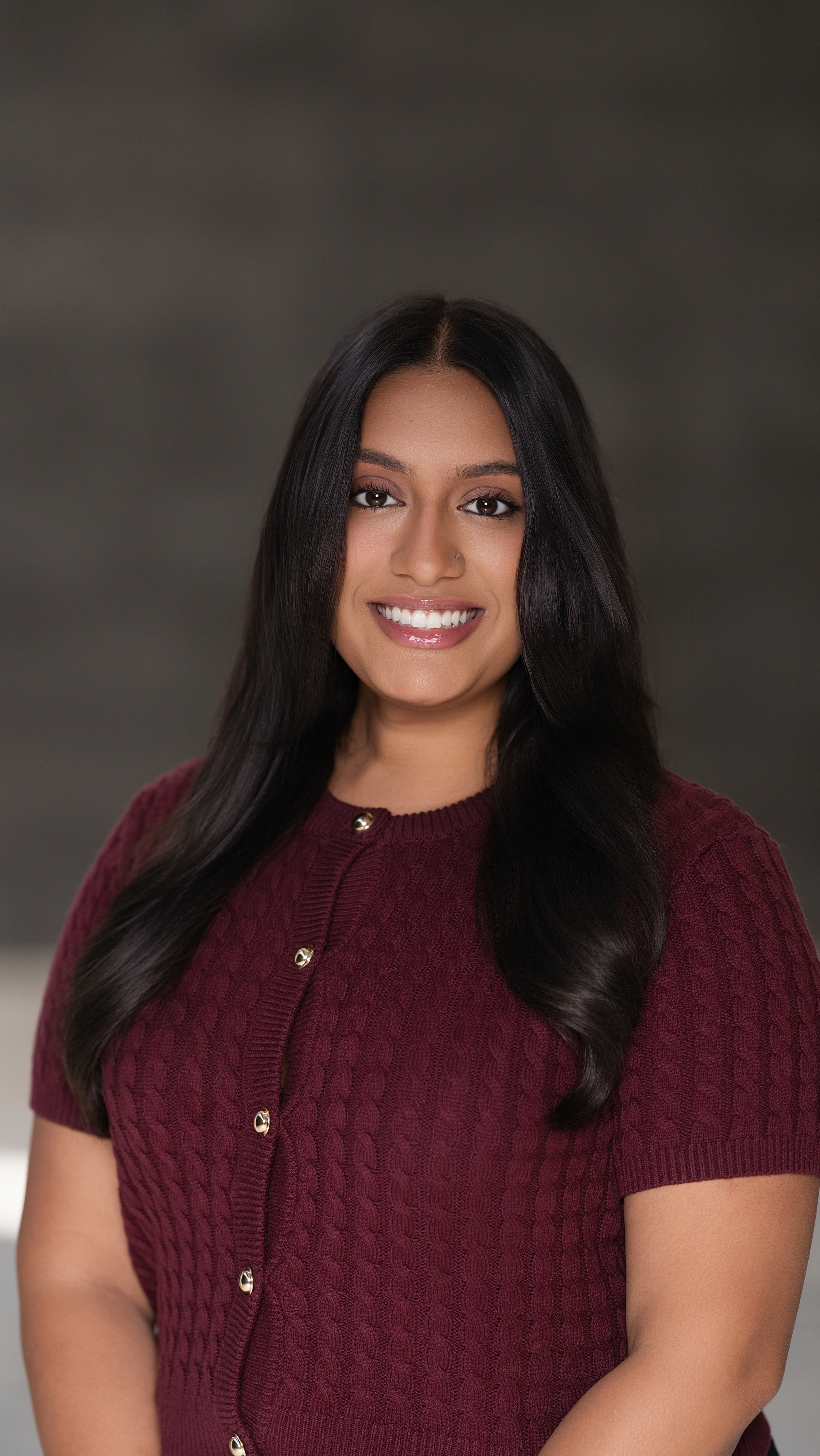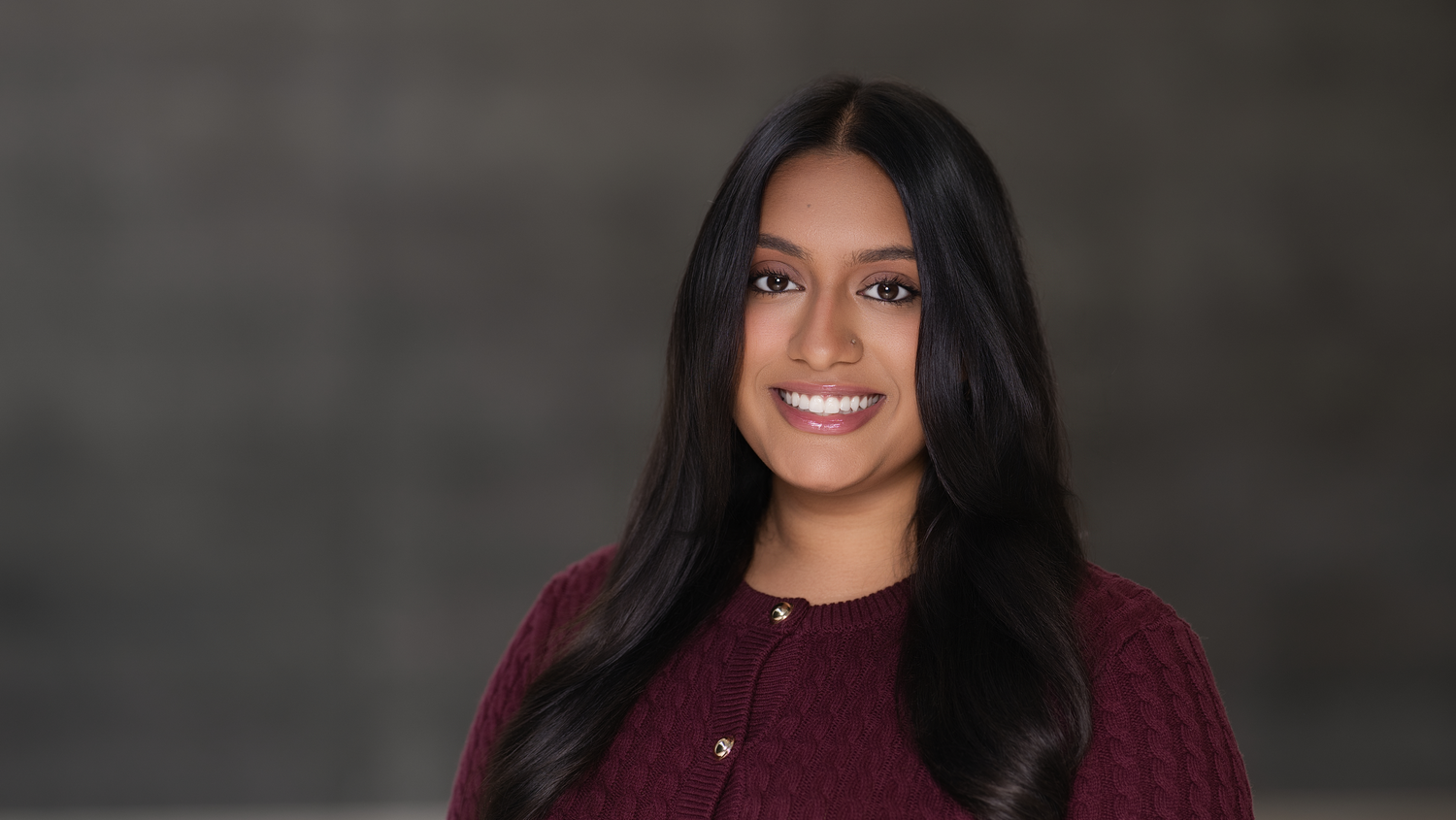
Before you get to speak, your photograph is doing the introduction.
Someone opens your LinkedIn profile before a meeting. A potential client looks through your company’s team page. An organizer pulls up your speaker bio before you walk onstage. Your photograph can arrive before you do.
I want that introduction to feel confident, capable and unmistakably you. The expression, posture, light and framing all contribute to how you present yourself. Those are decisions worth making with care.
I’m Devin Mickens, and I photograph individual and team headshots across Washington, DC and the DMV. I bring the lighting and the direction. You don’t need to arrive knowing how to pose.
Presence starts with direction
I guide posture, angle and expression as we work. A small adjustment to the shoulders or the angle of your face can change the feeling of a portrait. I pay attention to those details, along with how the light falls and what the background is doing.
Tell me how you want to come across. Poised and direct? Warm and approachable? A balance that fits your work? We can use that conversation to guide the session without asking you to perform someone else’s personality.
If being photographed isn’t your favorite thing, tell me that, too. You don’t need to bring a practiced smile. Clear direction gives you something to work with instead of leaving you to guess.
Make the photograph work where you need it
A headshot for a small LinkedIn circle has a different job from a portrait across a speaker page. Before we choose a background or an outfit, I want to know where your photographs will appear.
- LinkedIn and professional profiles: Your face needs to remain clear at a small size and within the platform’s crop.
- Company team pages: Lighting, background and framing should work alongside the other portraits.
- Speaker bios and press: Check the requested dimensions and whether the layout needs a vertical or horizontal image.
- Internal communications: Consider staff directories, presentations and other places colleagues need to recognize the person behind the name.
If a website redesign is underway, share the layout. A close portrait and a wider frame give your designer different options. Planning for those uses before the session is easier than discovering afterward that the photograph needs space it doesn’t have.
Look at the whole body of work
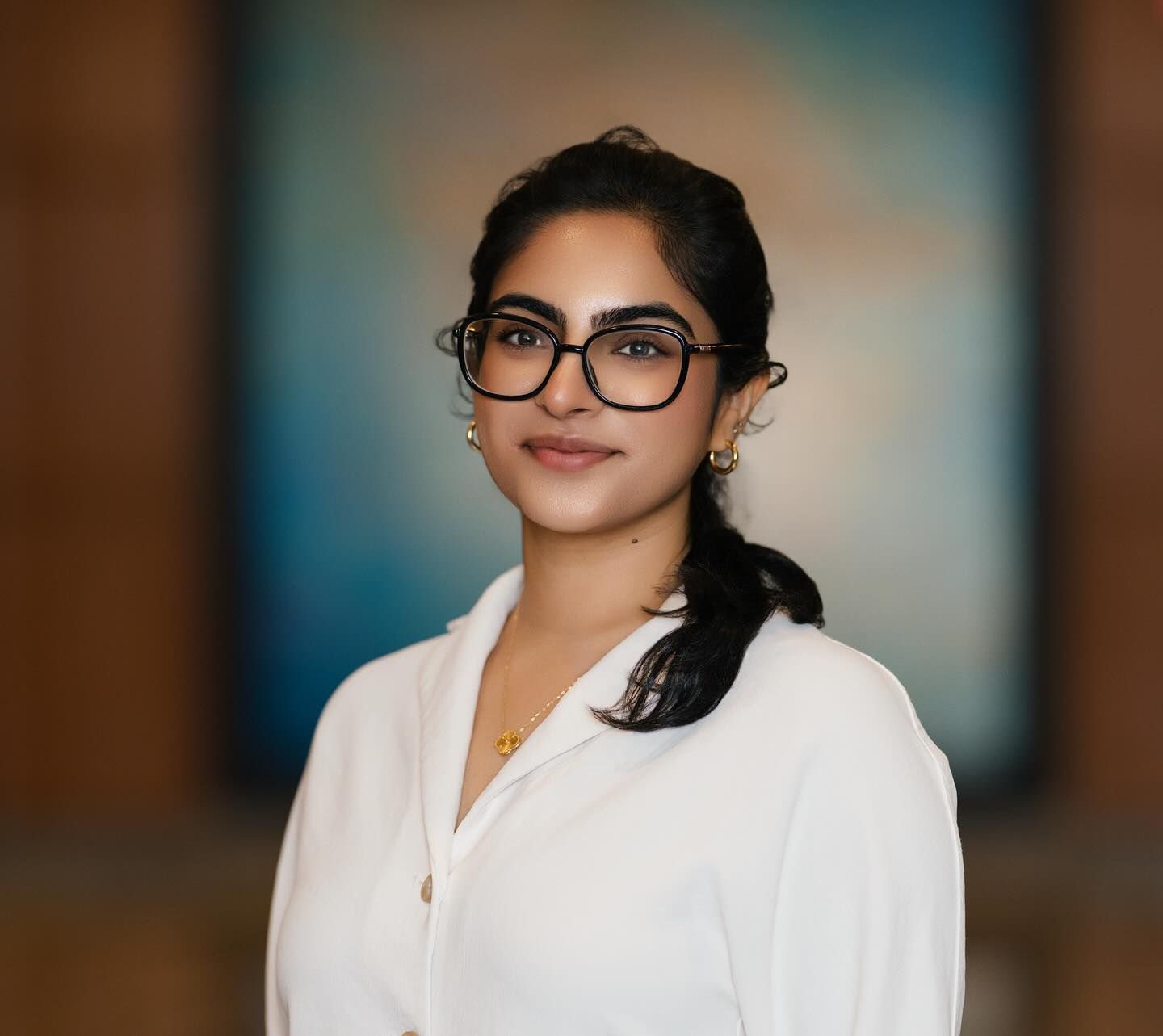
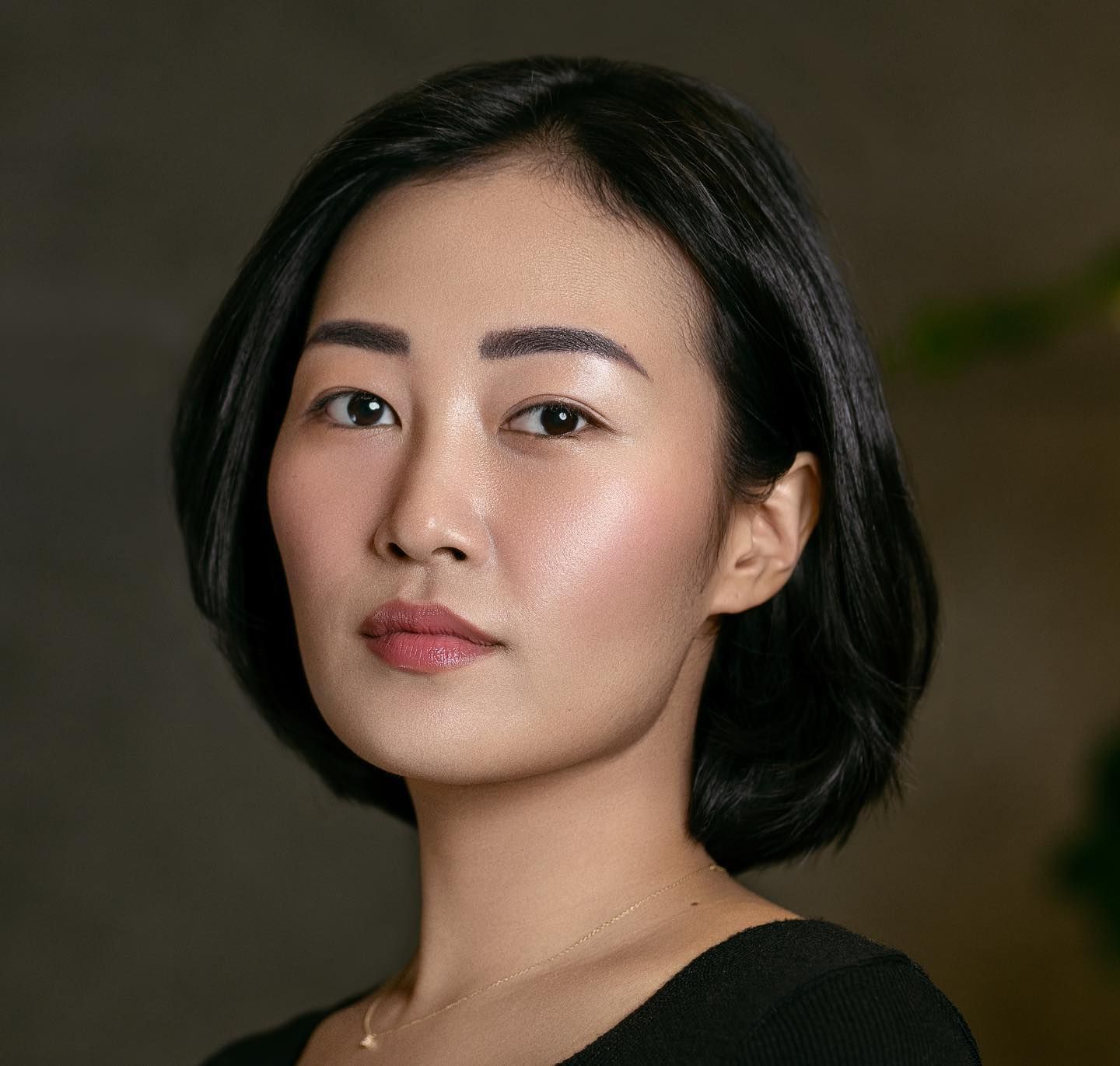
Study expressions, skin tones, light and backgrounds when choosing a photographer. For a team, look beyond one favorite portrait. Can you see a consistent approach across different people while each person still feels like themselves?
Across corporate and commercial photography, my work has included Google, Uber and Lincoln Property. That experience sits alongside my individual portraits and team headshot work. I bring the same attention to people, light and the details that help a photograph feel deliberate.
Explore my headshot portfolio. If a particular photograph feels right for you, send it with your inquiry and tell me what you respond to. That gives us a useful place to start.
Choose the setting with purpose
I photograph indoor and outdoor headshots, including on-location sessions at your office.
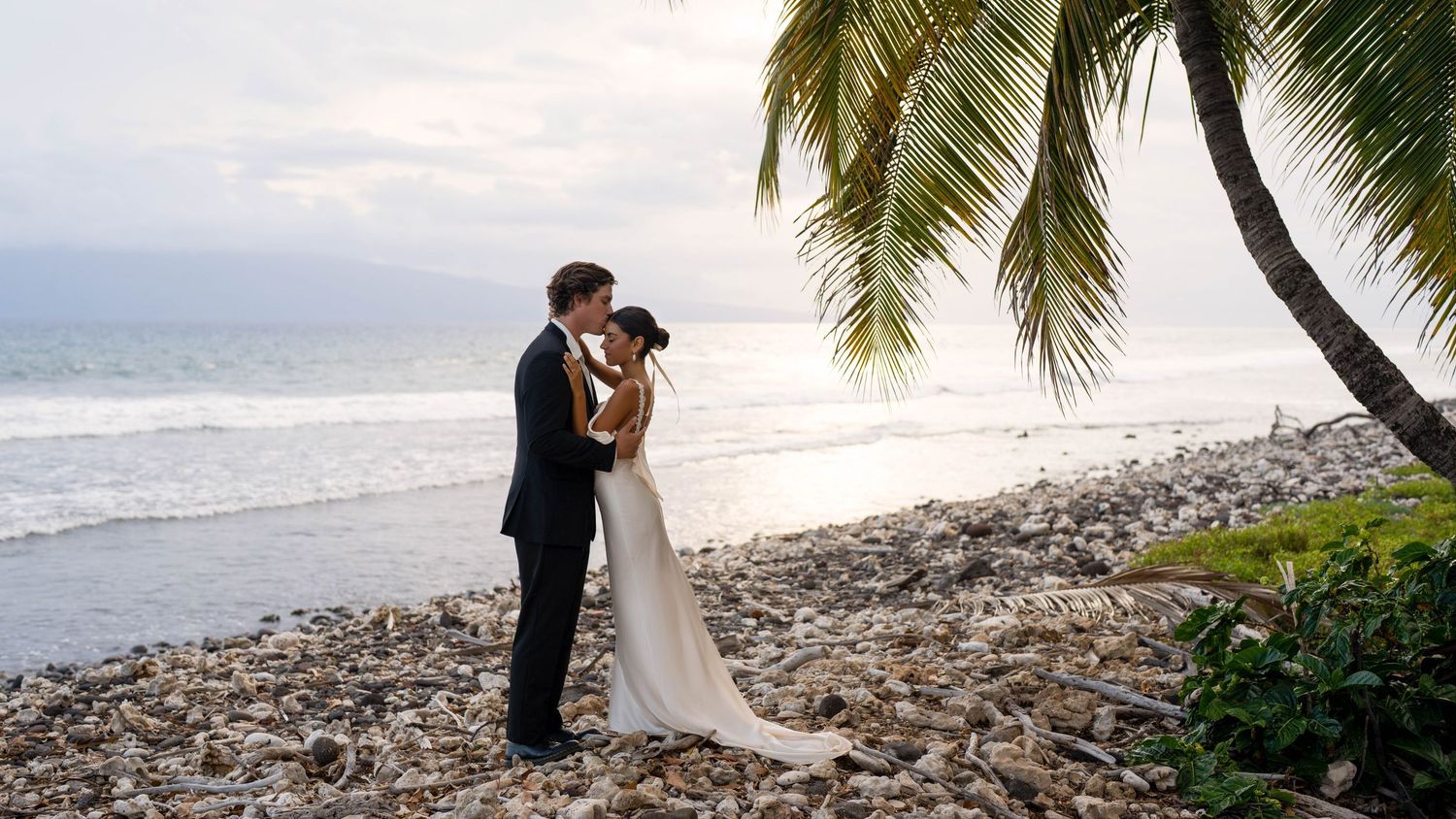
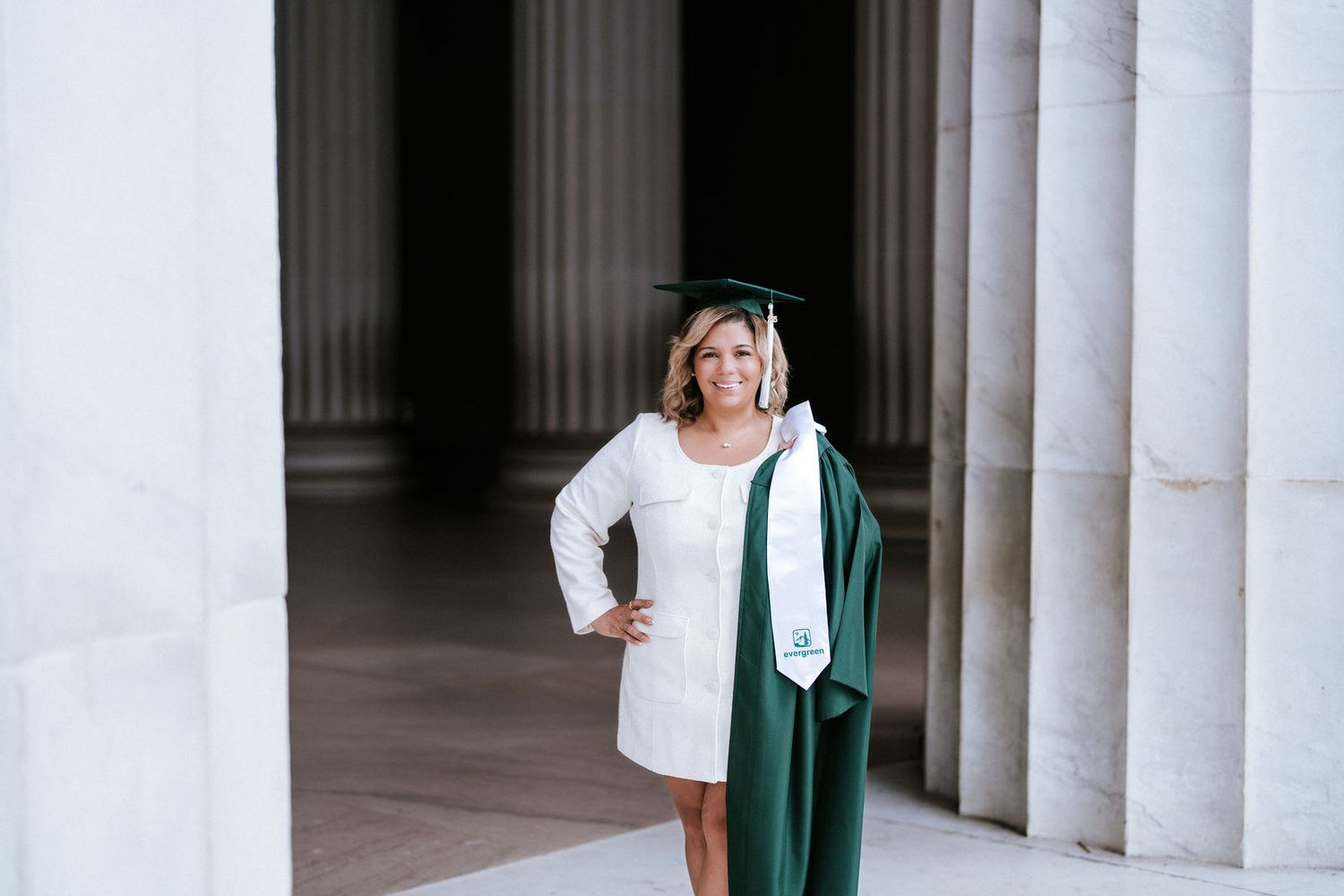
A clean indoor setup can keep attention on the face and give a team a coordinated look. An outdoor setting can bring more atmosphere and a sense of place. In either case, the background should support the portrait rather than compete with it.
For an office session, share photographs of the proposed space. We should discuss room access, furniture, background options and how people will move through the area. For outdoor portraits, talk through timing, weather and an alternative plan.
What to wear when you want to look like yourself
Start with something you would feel confident wearing to an important meeting in your field. The level of formality should fit your work and the people you want to reach.
- Check the fit. Try on the full outfit, including your jacket or layers. Look at the shoulders and neckline both standing and sitting.
- Keep the details intentional. Solid colors are a useful starting point. Tiny patterns, prominent logos and visible wrinkles can draw attention away from your face.
- Bring your glasses. If you normally wear them, bring them with clean lenses. Keep hair and grooming familiar rather than making a last-minute change.
- Plan a second look. Bring another option if you want variety, and mention it while we’re planning the session.
For a team, agree on a shared level of formality without making everyone dress identically. A short wardrobe note can answer those questions before the day.
Get the whole team ready
A team session has two jobs: make strong portraits and fit into a working day. The schedule and the organization behind the images deserve attention before anyone steps in front of the camera.
I offer on-location office sessions with a coordinated look. I also keep each person connected to the correct name, email, images and private delivery link, so the photographs remain organized after the session.
Before setting the schedule, work through these details:
- Confirm the headcount. Note anyone who cannot attend the proposed date so those needs can be discussed separately.
- Choose one point of contact. Give the photographer a clear contact for access, schedule changes and questions on the day.
- Agree on the visual direction. Share existing portraits, brand guidance and the website layout, including whether you’re matching a look or creating a new one.
- Plan around availability. Flag fixed meetings and limited availability before assigning individual times.
- Confirm the space and access. Discuss where the setup will go, when the room is available and any building check-in requirements.
- Explain the process. Send the location, arrival instructions, wardrobe guidance and selection or delivery information once those details are agreed.
It is also worth discussing future hires while you establish the look. Ask how additional people could be photographed in a compatible style as your team grows.
Before you book
A clear proposal should tell you what is included and how the session will work. Alongside the location and schedule, ask:
- How many final photographs are included, and how are they selected?
- What editing or retouching is included?
- Which file sizes and crops will be supplied?
- Are your intended website, profile, press and other uses covered?
- When will selections and finished images be available?
- How are additional people, extra images or schedule changes handled?
If a launch, announcement or press request sets your deadline, include it in the first inquiry. Confirm the delivery plan before booking rather than assuming every session has the same turnaround.
Make your next introduction intentional
You may already know what you want your headshot to say. You may just know the old one no longer feels like you. Either is a good starting point.
Send me your location, team size, preferred date and where the photographs will be used. Include your team page or a visual reference if you have one. We’ll talk through the direction and plan the session from there.